Newsletter No. 178
Good afternoon,
Global oil supply concerns took center stage this week as the IEA (International Energy Agency) warned of a 1.8 million barrel-per-day deficit this quarter, driven largely by continued disruptions in the Middle East and constrained flows through the Strait of Hormuz.
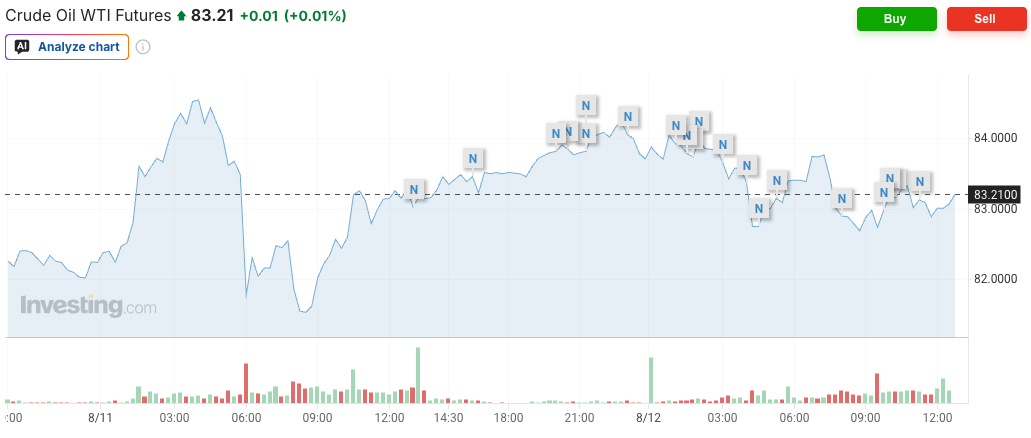
At the same time, U.S. crude inventories posted a sharp weekly increase, creating a notable contrast between near-term domestic stock levels and a tighter global market. WTI remained above $82 per barrel as markets weighed both signals.
This week’s issue of The Upside also looks at continued investment in major U.S. producing regions, including a significant Delaware Basin land acquisition, while a California pipeline sale highlights how dramatically asset values can differ depending on production activity, infrastructure, regulation and access to end markets.
This Week's Headlines
Oil and Gas News
- 81 Million Gulf Acres Open for Oil & Gas Leasing
- IEA Warns of a Deepening Global Oil Shortage
- U.S. Crude Stocks Surge as Global Supply Remains Tight
What's Happening at King
-
Oil & Gas Rundown LIVE! If you Missed It
- Upcoming Webinar: America's Energy Moment: The Global Energy Shift
Energy Market Perspective
-
What California’s Pipeline Discount Says About Basin Quality
Move to Watch
-
Delaware Basin Deal Expands Permian Footprint
Oil and Gas News
81 Million Gulf Acres Open for Oil & Gas Leasing
The Trump administration is offering more than 81 million acres in the Gulf of America for oil and gas leasing as part of a plan for 30 Gulf lease sales through 2039.
So far, companies are being selective: 12 companies submitted 69 bids covering about 330,000 acres, just 0.4% of the area being offered.
The sale comes while oil prices remain elevated amid Middle East supply concerns. WTI crude was trading around $83 per barrel on August 12, while Brent was near $89.
The Gulf already produces about 15% of U.S. oil, but offshore projects take years and require large upfront investments. That means these new leases won’t solve today’s supply issues, but they could help support more U.S. production in the years ahead.
IEA Warns of a Deepening Global Oil Shortage
The International Energy Agency now expects the global oil market to face a 1.8 million barrel-per-day supply deficit this quarter, the largest quarterly shortfall since late 2021.
The main reason is continued disruption in the Middle East. The Strait of Hormuz has not fully reopened, Iranian exports remain restricted, and other regional shipping routes have also been disrupted.
The IEA now expects global oil supply to fall by 4.3 million barrels per day in 2026, leaving supply about 1.27 million barrels per day below demand for the year.
Inventories are also being drawn down. The IEA estimates global oil stocks have fallen by about 410 million barrels since the Iran war began.
U.S. Crude Stocks Surge as Global Supply Remains Tight
While the IEA is warning of a growing global oil deficit, the latest U.S. data shows a sharp short-term build in domestic crude inventories.
The EIA (Energy Information Administration) reported that U.S. commercial crude inventories jumped by 17.4 million barrels for the week ending August 7, bringing total stockpiles to 424.4 million barrels. That is still about 2% below the five-year average for this time of year.
Oil prices dipped slightly after the report, with WTI at $82.76 per barrel and Brent at $88.52. Even so, both remained well above where they were a week earlier.
Gasoline inventories fell by 1 million barrels, while distillate inventories remain 12% below the five-year average, showing that refined fuel supplies are still relatively tight.
 |
Happening at King
 |
Don't Miss this Oil & Gas Rundown LIVE!
Join us live every Wednesday at 2 p.m. CT for Oil & Gas Rundown LIVE, where we break down the latest headlines, market moves, and industry developments shaping oil and gas in real time. It’s a chance to stay current on up-to-the-minute energy news, hear sharp insights on what matters most, and get a clearer view of where the market may be headed. Whether you follow the industry closely or just want a smart, timely update each week, this is a conversation you won’t want to miss.
YouTube: @JayRYoungOfficial
LinkedIn: jayr-young
Upcoming Webinar: America's Energy Moment: The Global Energy Shift
Join King's Chief Economist John Mauldin, Founder and CEO Jay Young and SVP Rachel Griffith for a timely discussion on the forces reshaping global energy, and why U.S. oil and gas could be entering a pivotal moment heading into the final months of 2026.
Date: Thursday, August 27, 2026
Time: 11 p.m. CT
Register Here
Energy Market Perspective
What California’s Pipeline Discount Says About Basin Quality
A recent California pipeline deal offers a useful contrast for investors evaluating U.S. oil and gas opportunities.
California Resources Corp. agreed to acquire Crimson Midstream for $63 million, valuing the pipeline system at about 4.4 times projected EBITDA. Comparable crude pipeline assets in more active producing regions, including the Permian Basin, have traded at substantially higher multiples.
Why the gap? California’s oil market has been pressured by declining production, refinery closures, regulatory challenges and lower pipeline utilization. In some cases, there simply is not enough crude moving through the system to support the economics.
That is very different from major Texas producing basins, where continued drilling, established infrastructure, takeaway capacity and access to Gulf Coast refining and export markets can support stronger long-term economics.
For investors, the broader lesson is important: where an oil and gas asset is located matters. Geology is critical, but so are infrastructure, market access, operating environment and the ability to continue developing acreage economically.
Strong energy assets are not just about owning reserves or infrastructure. They are about being positioned in basins where production, development activity and access to end markets can support long-term value.
Learn More about how King Operating Corporation is helping develop the energy America needs for the future.
Move to Watch
Delaware Basin Deal Expands Permian Footprint
EagleRock Land has acquired the 50,000-acre Intrepid Ranch for $78.2 million, marking its first major acquisition since going public in May.
The property sits in Lea County, New Mexico, in the Delaware Basin, and increases EagleRock’s New Mexico fee acreage by approximately 60%. The acreage is located in an active oil and gas corridor surrounded by major operators.
The deal also offers revenue opportunities beyond drilling. The property includes water rights, storage facilities, disposal wells, sand resources and other industrial assets. EagleRock is also evaluating future opportunities tied to power generation, transmission and data centers, which could benefit from the Permian region’s land and access to natural gas.
If you'd like to talk to someone about King and are an accredited investor, you can fill out your information here or schedule a Zoom conversation with one of our SVPs here and someone will reach out.
All the best,
Jay